

SEARCH RESULTS Film, Music and Art Search Criteria: 36 Hits 13 - 24
GoogleMap Loading...
-
 13
13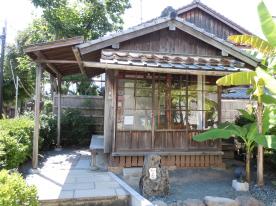
Nyoko-do and Dr. Takashi Nagai Memorial Museum
Nyoko-do (“‘As Thyself’ Hall”) is the small house of Dr. Takashi Nagai, built on the site of a former residence of a ‘chokata’, a leader of hidden Christians. Dr.Nagai, whose wife was a descendant of the chokata, spent his last days here, suffering from leukemia. On his sick bed, he authored numerous books, essays and drawings about Urakami and the lives of his family, hoping to appeal for neighborly love and peace. ‘Nagasaki no Kane’ (‘The Bells of Nagasaki’), about the bomb-damaged bell of Urakami Cathedral, is one of his best-known works. He also left an important report on relief activities for the victims of the atomic bombing, from his point of view as a radiologist. Inside this tiny house of barely two square meters, there is a statue of the Virgin Mary sent from Argentina as a prayer for peace. -
14
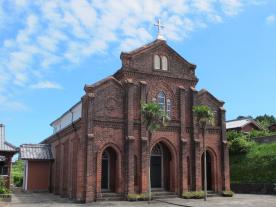
Kusuhara Church
Kusuhara was one of the remote areas settled by Sotome Christians around thelate-18th and early-19th centuries. Their descendants underwent ordeals even after the rediscovery of the Christians in Nagasaki. A roundup at Mizunohara expanded into the mountains. The hidden Christians were imprisoned and tortured and their settlements plundered. The site where they were jailed, near to the church, is open to the public. Around 1910, the present church was designed and constructed under the direction of Tetsukawa Yosuke. The building was repaired and improved in 1968. -
15

Go no Kura Shimabara Ikki Mura Furuse ‒ Somen Noodles Factory
Outside this beautiful white building a bold somen signboard stands out. This factory reflects the passion of its owner for antiques and the nostalgic, with a waterwheel along the road in front of the shop. A relaxing atmosphere welcomes customers. -
16
Yon no Kura Yamakome – Soy Sauce and Miso Brewing Factory
For those fond of old traditional Japanese style houses, this one can’t be missed. The central pillar of the structure of this brewery is made of the trunk of a cherry tree. In the courtyard, there grows a magnificent plum tree. The house itself is provided with every luxury. The fence surrounding the property is similar to one of a castle, which adds to the house’s charm. -
17
San no Kura Kiyoya - Soy Sauce and Miso Brewing Factory
This is a miso and soy sauce brewery, however it also offers a soft ice cream with a special taste. The signboard of this miso brewery was designed based on the beautifully written characters of the chairperson who started the business. -
18
Ni no Kura ― Urakawa Brewery
The small river that flows in front of this sake brewery comes straight from Ayugaeri Waterfall. The brewery has preserved its original structure after having been passed through three generations (Meiji, Taisho, Showa). -
19
Ichi no Kura - Yoshida Sake Brewery
Established in 1917, Yoshida Sake Brewery’s landmarks are a huge sake barrel and a blue flag of its most popular sake "shibori hanegi" (squeezed hanegi), which can be seen outside of the brewery. In the backroom, immersed in a traditional Japanese style room with the view of a Japanese garden, there is cafe called Yachiyo (open only on weekends April – December). -
20
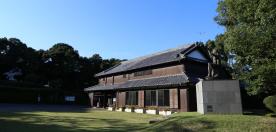
Seibo Kitamura Memorial Hall
Seibo Kitamura is the sculptor of the Peace Monument located in Nagasaki City’s Peace Park. His birthplace displays about 60 pieces of his carvings and calligraphy. In the hall’s garden it is possible to see a replica of the Peace Monument at one-fourth of its original size. -
 21
21Goto Camellia Oil Extraction Experience
Known as the beauty secret of youthful Geisha, Camellia or Tsubaki oil is one of the Goto Islands’ most precious exports. The highly valuable oil has long been recognized in East Asia for its highly restorative and rejuvenating effect on skin, hair, and nails. While opportunities to witness the extraction process are rare, the Tsubaki Taiken Workshop in Shin-Kamigoto offers hands-on experiences throughout the year. Workshops last between sixty and ninety minutes, giving visitors a chance to crush and press the Camellia seeds for oil themselves. -
22
Nagasaki Embroidery
Named as one of Japan’s top three regional festivals, Nagasaki’s autumn Kunchi festival is a vibrant, energetic celebration dedicated to the local deity of Suwa Shrine. The floats and costumes paraded around the city use bright colours and intricate threadwork incorporate depth and stunning realism into each piece. Dragons and a vast variety of sea life seemingly jump from the fabric and come alive on stage. After admiring the detail of the floats and costumes at the festival, try your hand at recreating some for yourself. The Nagasaki Museum of History and Culture offers workshops in the traditional embroidery techniques of Nagasaki. Unlike the typical embroidery style popular in other prefectures of Japan, this style was developed by recreating artworks brought to Japan from overseas. -
23
Nagasaki Glass
From church windows to gold leaf encrusted works of art, glassmaking has long been a popular industry in Nagasaki. Initially learned from Portuguese merchants in 1570, local craftsmen combined techniques from China, Czechoslovakia and Holland. The result is a unique fusion of styles referred to as ‘Nagasaki Glass’. Although no longer mass produced, workshops such as Rurian Glass Studios hold a variety of workshops that allow you to experience Nagasaki glassmaking for yourself. Make your own blown-glass cup or vase, kaleidoscope, stained glass keychain, or glass pendant. Creations are usually available for pickup the following day, but can also be mailed. -
24
Mikawachi Porcelain
Mikawachi has produced some of Japan’s highest-quality porcelain since the 16th century. Also called ‘Hirado Ware,’ it is characterized by its use of vibrant cobalt paint on pure white porcelain. Since the style’s establishment in 1598, local ceramics artists have strived to produce everything from everyday items to high-end ornamental pieces worthy of the Imperial Court. Their highly skilled craftsmanship, including techniques such as sukashibori (openwork), haritsuke (pasting), okiage (painting white porcelain to create 3D artwork) and hakutai (white porcelain) has ensured the style remains popular today. You too can experience this exquisite craft for yourself. Practice your brush strokes to recreate one of Mikawachi’s iconic designs on a plate, mug or Japanese teacup, or create your own original design.